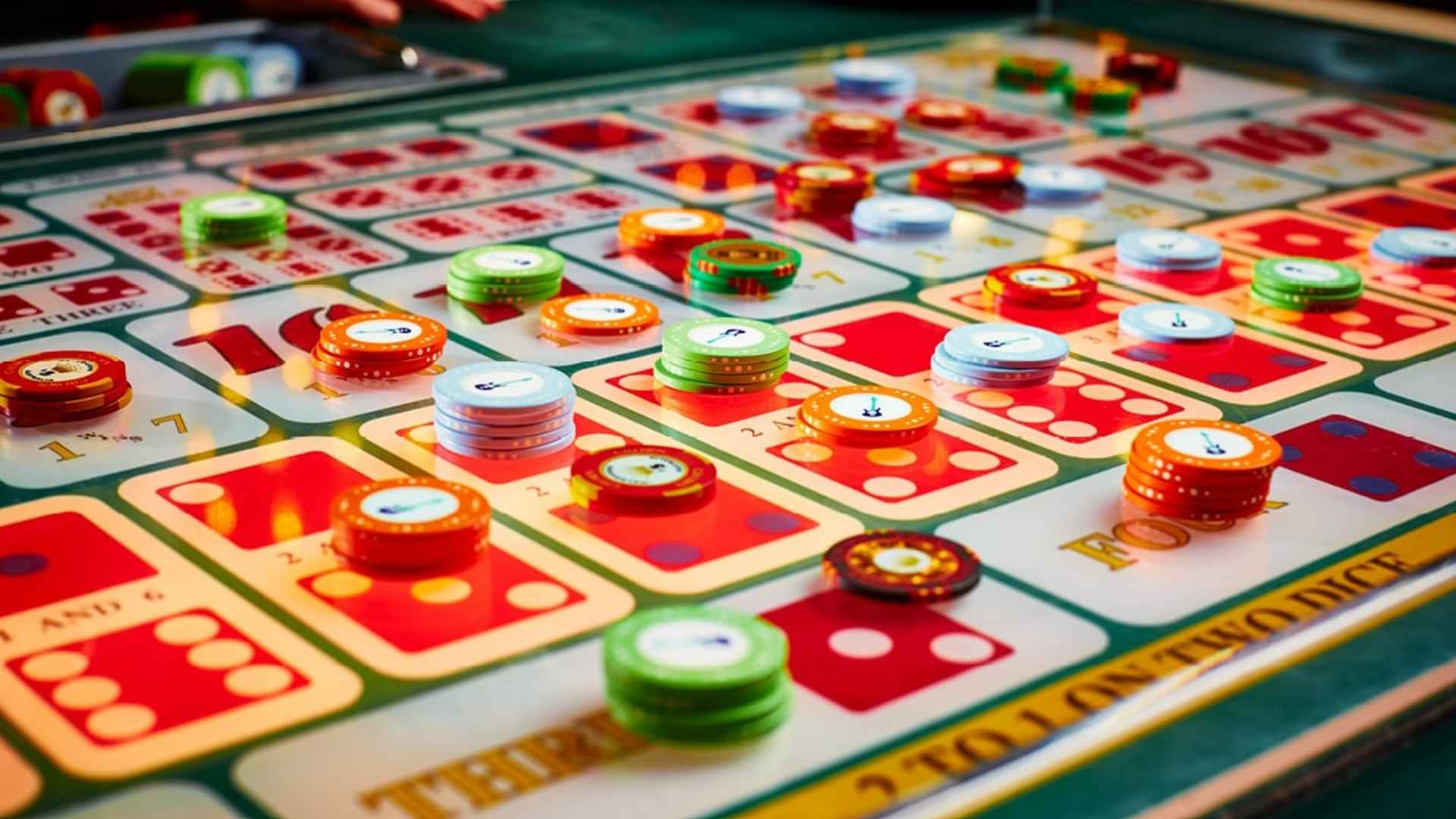
Dominoes is a highly versatile and globally recognized tile-based game that transcended its origins to become a vital part of diverse global traditions. From quiet public squares in southern Europe to energetic neighborhood gatherings across the Caribbean, this simple game connects people regardless of their native language. Its enduring popularity lies in its unique combination of straightforward, easy-to-learn mechanics and remarkably deep tactical possibilities.
The Historic Journey Across East and West
The earliest precursors of modern dominoes emerged in twelfth-century China during the Song dynasty as tools to represent dice roll outcomes. These early pieces eventually traveled along global trade routes to Europe during the eighteenth century, landing first in the vibrant cities of Italy. European players standardized the layout by introducing blank faces and creating the classic double-six set we recognize today.
As trade and migration expanded across the Atlantic, colonial influences carried the game to the Americas and the Caribbean. Each region quickly adopted the rectangular tiles, blending local habits with the game's core matching rules. This rich historical journey allowed a single concept to evolve into dozens of distinct regional game formats worldwide.
A Social Ritual in Caribbean and Latin American Communities
In many Caribbean nations like Jamaica and Cuba, dominoes has evolved far beyond a casual pastime into a major cultural institution. It is highly common to hear the energetic clack of tiles in neighborhood bars, under shady trees, and at lively family reunions. The game serves as a vibrant social stage where players share stories, discuss local news, and strengthen community ties.
Unlike the quiet, contemplative matches played in some parts of the world, Caribbean games are famous for their loud, theatrical intensity. Players slam their tiles onto wooden tables with dramatic flair to express confidence and pressure their opponents. This dynamic atmosphere turns every single match into an engaging, multi-sensory performance for both players and spectators.
The Universal Appeal of Simple and Accessible Gameplay
One of the main reasons dominoes continues to thrive globally is its incredible accessibility for players of all ages and backgrounds. The game requires no expensive equipment, specialized digital infrastructure, or complex physical setup to begin. A simple flat surface and a set of durable tiles are all that is needed to foster meaningful human connection.
For those looking to explore more about modern entertainment platforms, visiting resources like Link M88 can offer interesting perspectives on how classic concepts transition into digital spaces. Engaging with these virtual communities allows modern players to test their skills against opponents from different parts of the world. Ultimately, whether played on a physical wooden table or a virtual interface, the game continues to bring diverse people together through shared focus.
Cognitive Benefits and Intergenerational Bonding
Beyond its obvious social value, playing dominoes offers valuable educational and cognitive benefits for participants of all generations. Younger players naturally build their arithmetic, pattern recognition, and strategic planning skills by calculating tile distributions. For older adults, the game serves as an excellent mental exercise that exercises memory, concentration, and logical reasoning.
Because the rules are simple enough for young children yet deep enough for experienced strategists, it bridges the generation gap effortlessly. Grandparents regularly pass down their favorite tactical tips and regional variations to their grandchildren around the family table. This gentle transmission of knowledge ensures that the beloved game remains a cherished household tradition for many decades to come.