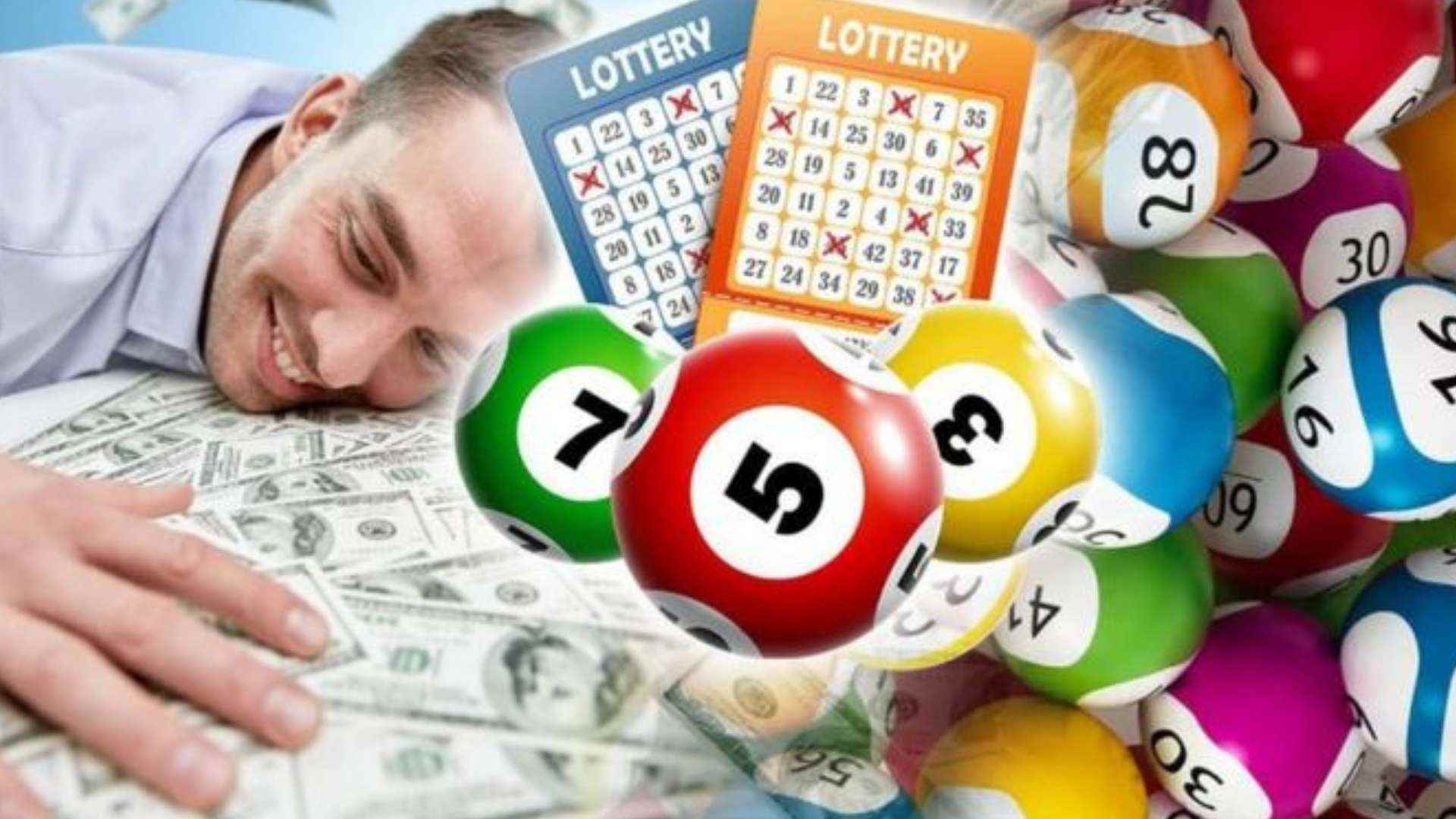
Many individuals view mathematics as a collection of static formulas that bear little relevance to real-world scenarios. However, exploring mathematical principles through interactive play can completely transform how students engage with numerical concepts. By shifting the educational focus toward hands-on activities, understanding probability transitions from a chore into an exciting discovery process.
The Core Benefits of Playful Mathematics
Integrating gamified learning into routine environments helps individuals build a stronger connection with data management. Traditional methods often isolate statistical tracking from practical situations, which causes modern learners to lose interest quickly. Interactive sessions establish immediate feedback, allowing participants to visually track variance and outcomes during live gameplay.
Furthermore, dynamic challenges build essential cognitive tools that strengthen critical thinking capacities. When players evaluate statistical outcomes in real time, they learn to rely on evidence rather than emotional guesswork. This structured approach helps anyone transition from a state of mathematical anxiety toward an objective analytical mindset.
Classic Activities for Risk Assessment
Simple dice challenges serve as an exceptional entry point for practicing structural odds at home. By tracking the numerical distribution across multiple rolls, participants witness how independent events begin to generate predictable long-term patterns. These simple experiments build foundational statistical capabilities that remain highly useful throughout academic and professional life.
Card variations offer another layers of cognitive challenge by demonstrating dependent distributions clearly. Adjusting your choices based on remaining elements in a deck models complex real-world choice structures effectively. Observing these changes firsthand ensures that analytical learners can appreciate the hidden equations that shape random situations.
Exploring Digital Randomness and Platforms
The modern digital landscape features advanced platforms that utilize complex randomized systems to engage users. Exploring how these digital environments replicate unpredictability can deepen your general appreciation for technological designs. For those looking to see these engines in action, visiting a digital gaming platform like the Link M88 Mansion portal can provide an interesting look at real-time statistics. Studying these virtual frameworks helps individuals decipher how structural calculations turn absolute chaos into structured parameters.
Understanding online algorithms also protects consumers by clarifying the baseline mathematical metrics behind popular games. When people realize how developers calculate fixed outcomes, they discard the standard myths associated with lucky streaks. This protective analytical framework empowers modern internet users to make safe, data-driven decisions across global interactive interfaces.
Practical Integration into Everyday Habits
Bringing probability concepts into your family routine does not require advanced degrees or expensive tools. Dedicating a few minutes to tracking weather models or calculating simple coin toss trends can turn standard afternoons into engaging learning opportunities. These small exercises train the brain to spot subtle data variations that influence financial choices and business strategies.
Ultimately, making math a consistent part of active conversation changes the way young minds perceive modern statistics. Encouraging children to question absolute assertions and measure actual likelihoods establishes lifelong logical frameworks. Embracing uncertainty through friendly gameplay ensures that everyone remains prepared to navigate a complex, data-filled modern world.