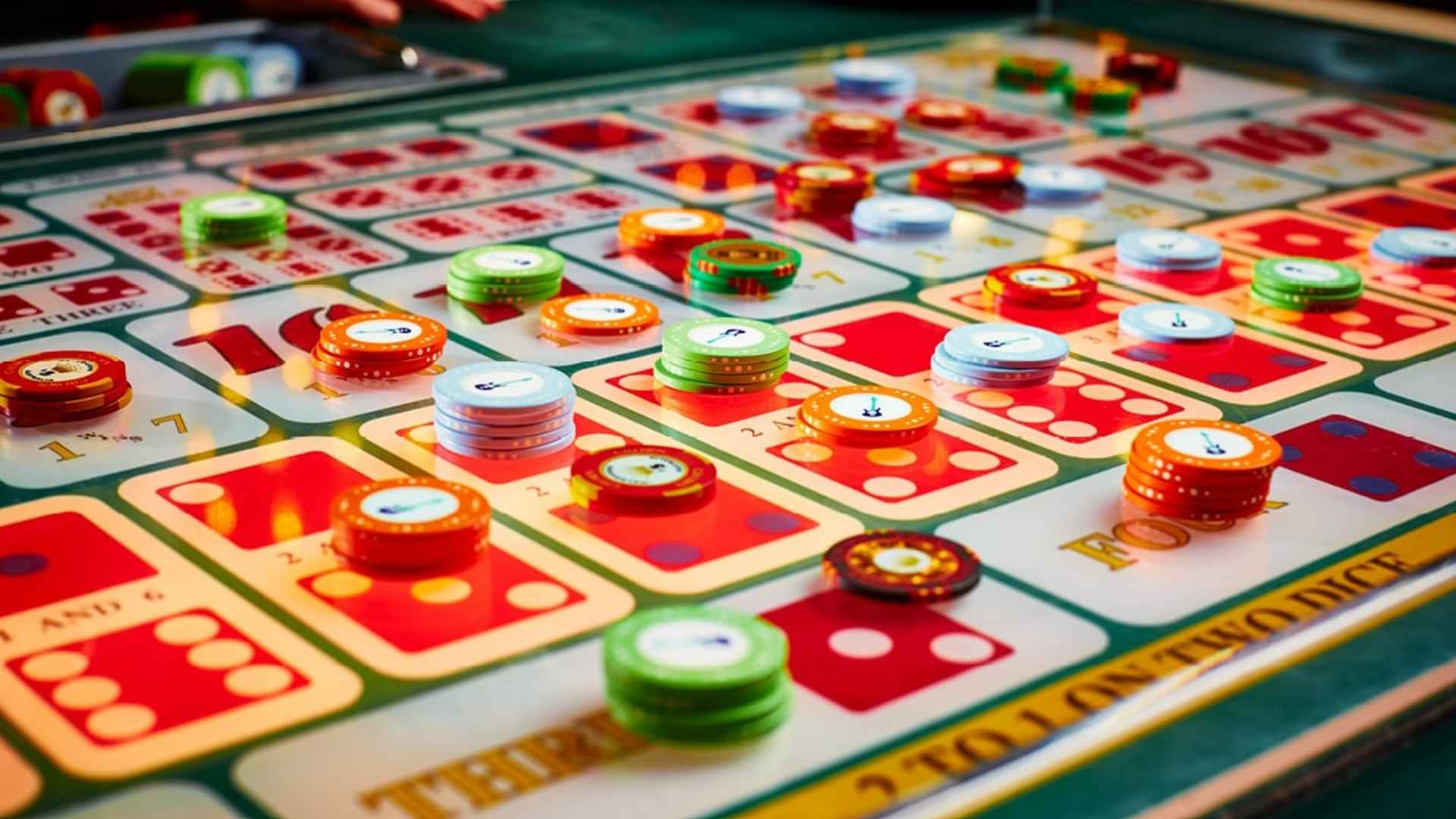
The global popularity of digital math challenges and numerical puzzles has surged as developers find innovative ways to sustain long-term player engagement. Unlike traditional distractions, these intellectual exercises combine mathematical logic with psychological design to create a deeply satisfying user experience. Understanding what elements trigger this ongoing commitment can help educators and casual players optimize their routine cognitive training.
The Psychological Appeal of Incremental Progress
Human psychology naturally craves structured progression and clear goals, which modern numerical puzzles deliver effectively. By presenting logic matrices that gradually increase in complexity, developers keep the user within an optimal state of cognitive flow. This balanced difficulty curve ensures that participants remain consistently challenged without feeling overwhelmed by sudden difficulty spikes.
Furthermore, small daily victories release subtle bursts of dopamine that reinforce a regular playing habit. When an individual finally discovers the missing digit in a complex matrix, the feeling of organic discovery is incredibly powerful. This internal reward loop keeps enthusiasts coming back every day to test their critical thinking limits.
How Real Time Feedback Loops Drive Engagement
Instant gratification plays a significant role in keeping modern puzzle solvers fully committed to their digital tasks. Interactive platforms provide immediate confirmation whenever a correct mathematical formula or sequence is executed on the board. This rapid feedback loop allows players to swiftly adjust their cognitive strategies and learn from structural placement errors.
Many modern platforms incorporate community features where users can safely compare their daily solving times. Exploring alternative digital environments through a verified Link M88 can offer additional perspectives on competitive match designs and logic tracking tools. Shared benchmarks transform what used to be a completely isolated solo hobby into a vibrant, interconnected community effort.
The Value of Unpredictable Reward Schedules
Static patterns quickly lead to boredom, which is why dynamic generation algorithms are essential for modern puzzle applications. By altering the numerical relationships and layout parameters every session, the mental experience remains consistently fresh. This subtle element of structural unpredictability ensures that players never rely entirely on mindless muscle memory.
When the brain encounters a completely unique sequence, it is forced to construct brand-new analytical pathways. This active problem-solving requirement keeps the brain highly stimulated and prevents early mental fatigue during extended sessions. The ongoing variety is precisely why these numeric applications retain their global audiences for years.
Long Term Benefits of Sustained Mental Commitment
Developing a consistent relationship with numerical puzzles extends far beyond merely filling brief moments of daily leisure time. Regular mental stimulation helps strengthen working memory capacities and improves general informational processing speeds in adults. Over time, these daily puzzle routines build lasting cognitive resilience that helps navigate real-world decisions.
Additionally, dedicating focused time to objective logic challenges offers a constructive escape from standard workplace anxieties. By shifting attention toward neat numerical boundaries, the mind enters a refreshing state of relaxed focus. Ultimately, the journey toward mathematical mastery provides both tangible cognitive sharpening and deep psychological satisfaction.